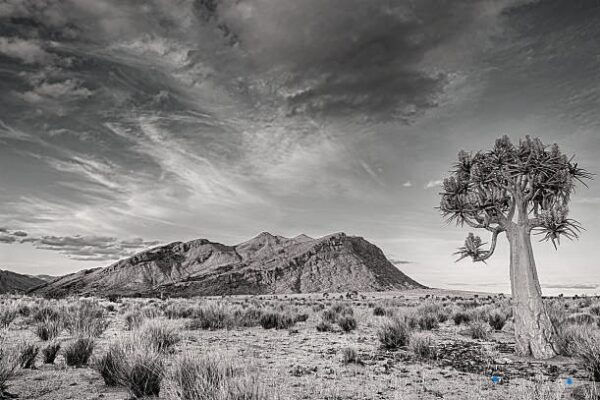
Namakwa is South Africa’s largest district municipality by land area, covering approximately 126,836 km², with a population of just 148,935. Its arid climate and dispersed settlements increase the cost of service delivery, public participation and market access. While mining, agriculture and tourism remain key economic sectors, renewable energy is expanding. By March 2026, the Northern Cape hosted 51 Renewable Energy Independent Power Producer Procurement Programme (REIPPPP) projects, representing 3,921 megawatts (MW) of procured capacity.
Despite these opportunities, development challenges persist. In the second quarter of 2026, unemployment in the Northern Cape stood at 28.5%, rising to 39.8% among young people. In Namakwa, only 26.2% of residents had completed Grade 12, while 6.2% held higher education qualifications. Water insecurity remains a concern, with 56.1% of Northern Cape households reporting interruptions lasting at least two days in 2025. Rising temperatures, declining rainfall and more frequent droughts further threaten the region’s climate resilience.
Although Namakwa has established planning systems and growing renewable-energy investment, coordination between municipal development priorities, Independent Power Producers (IPPs) and climate planning remains limited. Differences in planning cycles and accountability structures mean investment does not always respond to local development needs, particularly water security, infrastructure and youth employment.
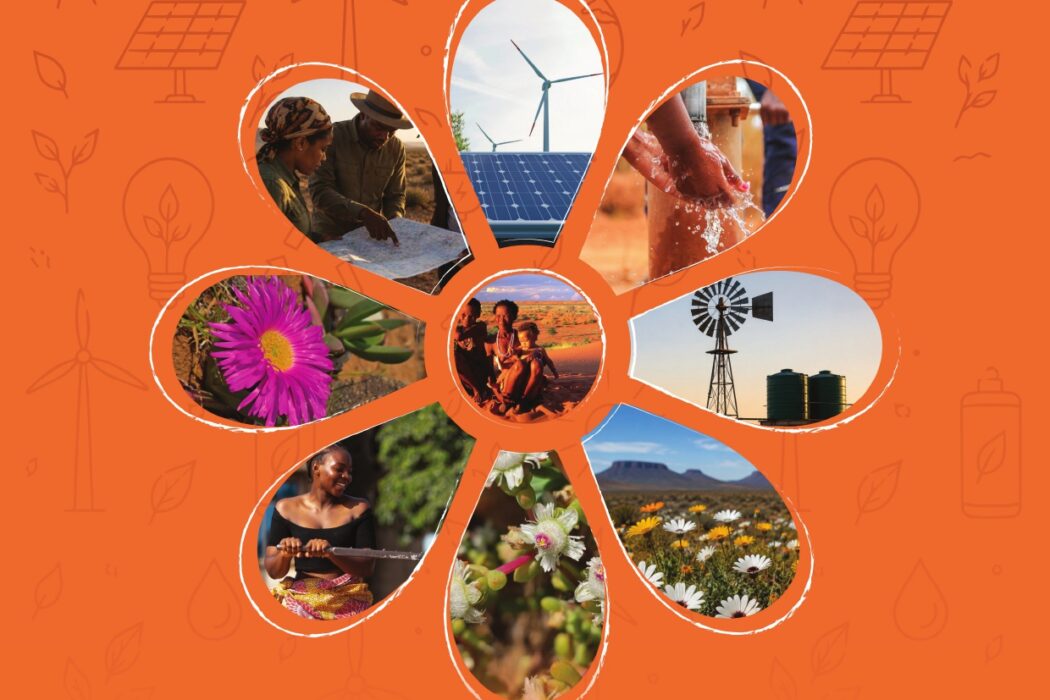
Democracy Works Foundation’s (DWF) Climate for Growth (CfG) project seeks to strengthen participation and coordination in climate and energy governance across three Namakwa municipalities: Nama Khoi, Khâi-Ma and Karoo Hoogland. Working with local government, IPPs, civil society and communities, the project aims to better align renewable-energy investment, local economic development (LED) and climate resilience.
This needs assessment informed the project’s design and implementation through a review of municipal Integrated Development Plans (IDPs), LED strategies, climate assessments and renewable-energy policies, alongside stakeholder consultations. Preliminary findings were validated by stakeholders in Springbok on 21 September 2026.